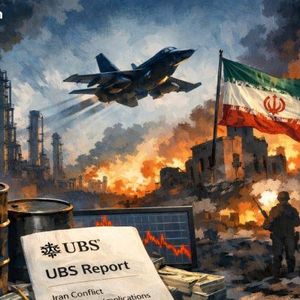
BitcoinWorld US Military Attack on Iran: Imminent Large-Scale Assault Targets Critical Defense Infrastructure WASHINGTON, D.C. – March 15, 2025 – The United States military has entered preparatory phases for a substantial additional assault on Iranian military targets within the next 24 hours, according to exclusive CNN reporting citing senior defense officials. This planned US military attack on Iran represents a significant escalation following initial strikes that reportedly weakened Iranian air defense networks. Consequently, the operation now focuses on destroying critical infrastructure including missile production facilities, drone manufacturing sites, and naval capabilities. President Donald Trump previously indicated that the “real attack” had not yet commenced, suggesting this development aligns with earlier warnings. US Military Attack on Iran: Strategic Objectives and Timeline Military analysts confirm the United States possesses capability for rapid escalation. The reported 24-hour window indicates advanced planning and intelligence preparation. Furthermore, the specific targeting of missile production facilities suggests a strategic priority. These facilities represent Iran’s asymmetric warfare capabilities. The Islamic Revolutionary Guard Corps (IRGC) oversees these critical assets. Therefore, their destruction would significantly degrade Iran’s regional power projection. Historical context provides important perspective. The United States and Iran have engaged in prolonged tensions since the 1979 revolution. Recent years witnessed escalating incidents including tanker attacks, drone shootdowns, and proxy conflicts. The current situation follows months of diplomatic stalemates. International observers note concerning patterns of military posturing. Target Analysis: Missile Facilities and Naval Capabilities The reported targeting priorities reveal specific military calculations. Iran maintains extensive missile inventories across multiple categories: Short-range ballistic missiles: Primarily targeting regional neighbors Medium-range systems: Capable of reaching strategic locations Cruise missiles: Used for precision strikes against naval assets Drone manufacturing: Expanding unmanned aerial vehicle capabilities Iranian naval power centers around asymmetric warfare tactics. The Islamic Republic Navy operates numerous fast attack craft. Additionally, they maintain submarine capabilities and coastal defense systems. These assets threaten vital shipping lanes including the Strait of Hormuz. Consequently, their neutralization represents a key strategic objective for regional stability. Military Expert Analysis: Tactical Implications Former Pentagon officials emphasize operational complexities. “Targeting hardened facilities requires precise intelligence and specialized munitions,” explains Dr. Elena Rodriguez, senior fellow at the Center for Strategic Studies. “The timeline suggests pre-positioned assets and ready forces.” Rodriguez further notes potential secondary effects including civilian infrastructure damage and environmental concerns. International law requires distinction between military and civilian targets. Observers will monitor compliance with these protocols. Regional military bases provide operational platforms. The United States maintains significant presence in neighboring countries. These include facilities in Qatar, Bahrain, and the United Arab Emirates. Aircraft carriers and strategic bombers offer additional strike capabilities. Satellite imagery recently showed increased activity at several bases. This correlates with the reported preparation timeline. Regional Security Implications and Diplomatic Context Neighboring countries face immediate security concerns. Gulf Cooperation Council (GCC) members maintain complex relationships with Iran. Some nations host US military facilities while pursuing diplomatic engagement with Tehran. This creates delicate balancing acts for regional governments. Oil markets typically react strongly to Middle Eastern tensions. Energy analysts predict price volatility following military developments. The international community expresses varied responses. United Nations Secretary-General António Guterres recently called for restraint. European Union foreign policy chief Josep Borrell emphasized diplomatic solutions. Meanwhile, regional powers including Israel and Saudi Arabia monitor developments closely. Their security calculations directly connect to Iranian capabilities. Historical Precedents and Conflict Patterns Recent Middle Eastern conflicts provide relevant comparisons. The 2020 assassination of Qasem Soleimani triggered Iranian missile strikes. Those attacks caused significant damage but avoided major escalation. The 2019 attacks on Saudi oil facilities demonstrated Iranian proxy capabilities. Current tensions exceed previous incidents in scale and potential consequences. Nuclear negotiations remain stalled since 2022. The Joint Comprehensive Plan of Action (JCPOA) collapsed despite multiple revival attempts. Non-proliferation experts warn about regional arms races. Some analysts suggest military action could further destabilize non-proliferation efforts. Others argue it addresses immediate security threats. Technological Considerations and Warfare Evolution Modern conflict incorporates advanced technologies. Cyber warfare capabilities represent significant components. Both nations possess sophisticated digital attack resources. Electronic warfare systems disrupt communications and guidance systems. Space-based assets provide critical intelligence and targeting data. Drone warfare has transformed regional conflicts. Iran supplies unmanned systems to multiple proxy groups. These include Houthi forces in Yemen and militia groups in Iraq. The reported targeting of drone manufacturing addresses this proliferation. However, dispersed production facilities present targeting challenges. Conclusion The reported US military attack on Iran represents a critical development in Middle Eastern security dynamics. CNN’s reporting indicates advanced preparations for substantial strikes within 24 hours. Strategic targeting focuses on missile production, drone manufacturing, and naval capabilities. These actions follow initial operations that reportedly weakened Iranian air defenses. Regional stability faces significant tests as military preparations advance. The international community monitors developments with profound concern for broader implications. Ultimately, this US military attack on Iran could reshape regional power balances for years ahead. FAQs Q1: What specific targets does the US military plan to attack in Iran? The reported targets include missile production facilities, drone manufacturing sites, and naval capabilities. These represent critical components of Iran’s asymmetric warfare strategy and regional power projection. Q2: How reliable is the CNN reporting about the 24-hour timeline? CNN cites a high-ranking official familiar with military planning. While operational timelines can change, such reporting typically reflects actual contingency planning and preparation stages within defense establishments. Q3: What are the potential regional consequences of such an attack? Regional consequences could include retaliatory strikes against US assets, escalation through proxy groups, oil market volatility, and heightened tensions across the Middle East affecting multiple international relationships. Q4: How does this relate to previous US-Iran military engagements? This represents escalation beyond previous incidents like the 2020 Soleimani strike or 2019 Saudi facility attacks. The reported scale and targeting suggest more comprehensive military objectives against Iranian defense infrastructure. Q5: What diplomatic efforts preceded this military preparation? Diplomatic efforts included stalled nuclear negotiations, European mediation attempts, and UN calls for restraint. The military preparation suggests these diplomatic channels failed to address core security concerns to the satisfaction of military planners. This post US Military Attack on Iran: Imminent Large-Scale Assault Targets Critical Defense Infrastructure first appeared on BitcoinWorld .